Industries
Fleets we are built for.
Strictly B2B. The pattern is always the same: many small physical tasks, spread across many vehicles and locations, that are expensive to coordinate and easy to get wrong.
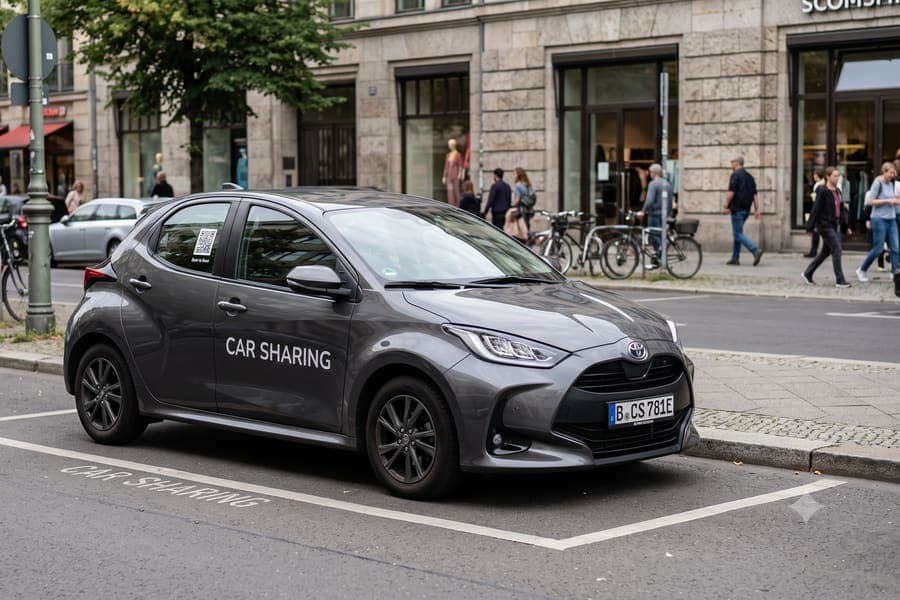
Car-sharing operators
- Distributed vehicle servicing
- Charging and refuelling
- Cleaning between users
- Vehicle rebalancing
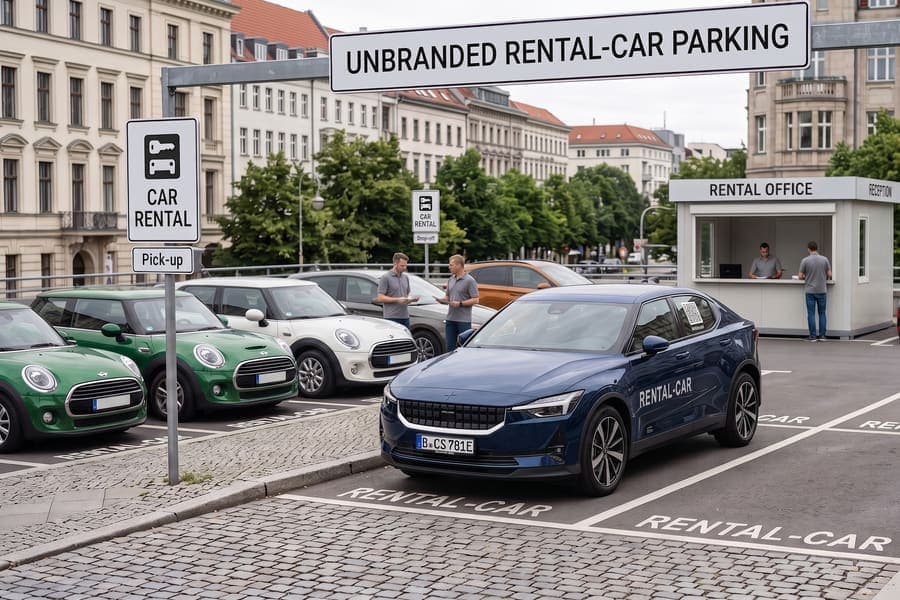
Rental-car companies
- Vehicle preparation
- Branch-to-branch transfers
- Airport operations
- Return inspections
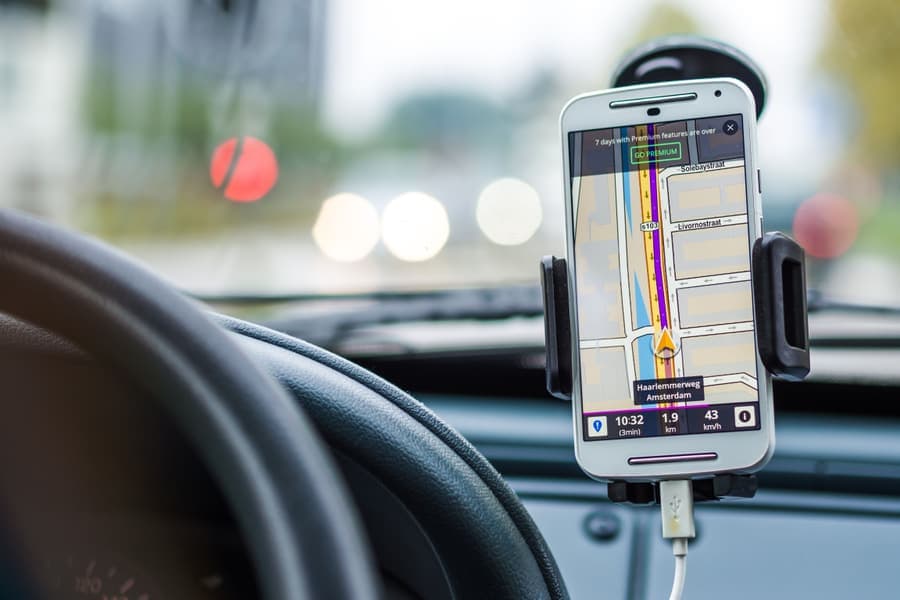
Vehicle-subscription companies
- Recurring upkeep
- Customer handovers
- Damage documentation
- End-of-contract processing

Leasing companies
- Lease-return logistics
- Condition reporting
- Vehicle collection
- Workshop coordination

Corporate fleets
- Office-parking servicing
- Employee-car cleaning
- Maintenance coordination
- Seasonal tyre appointments

Delivery & logistics fleets
- Van cleaning
- Overnight servicing
- Damage checks
- Workshop transfers

Taxi & ride-hailing fleets
- Frequent interior cleaning
- Night servicing
- Charging and refuelling
- Downtime reduction

Dealerships
- Demonstration-car preparation
- Pre-delivery inspections
- Workshop movements
- Customer delivery
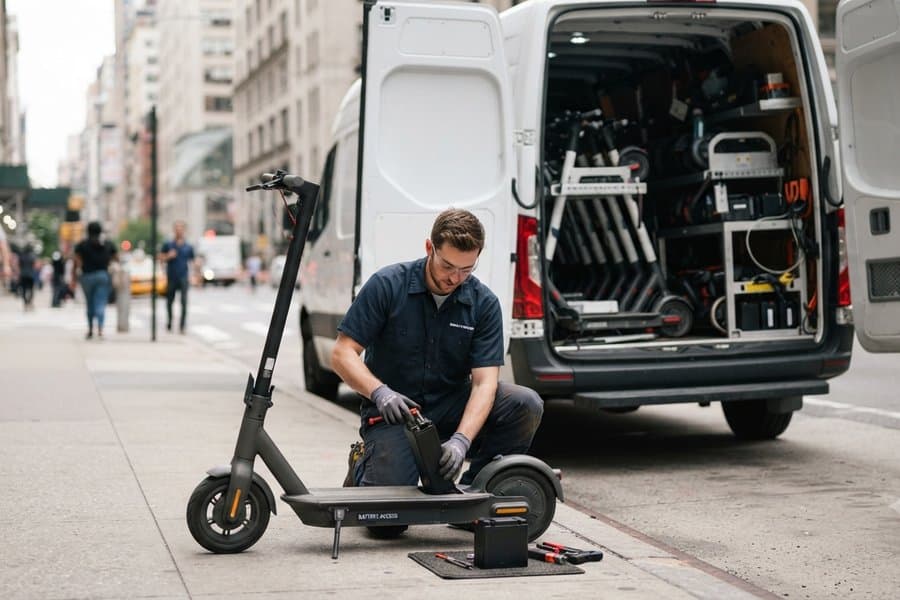
Micromobility operators
- Battery swapping and charging for e-bikes and scooters
- Vehicle relocation and rebalancing
- Damage and safety checks
- Depot and charging-hub logistics
Our ideal first customer
We are honest about where we add the most value early on. If most of this describes you, a pilot will go well:
- At least 20 vehicles in one city
- Recurring monthly service demand
- Vehicles at known parking locations
- High vehicle-downtime costs
- Capacity to approve monthly invoicing
Start with one location and 10–30 vehicles.
A pilot is the fastest way to find out whether this works for your fleet: one city, a fixed number of vehicles, two to four weeks, agreed prices, no integration required.
No integration. No long-term commitment. Clear expansion criteria.